
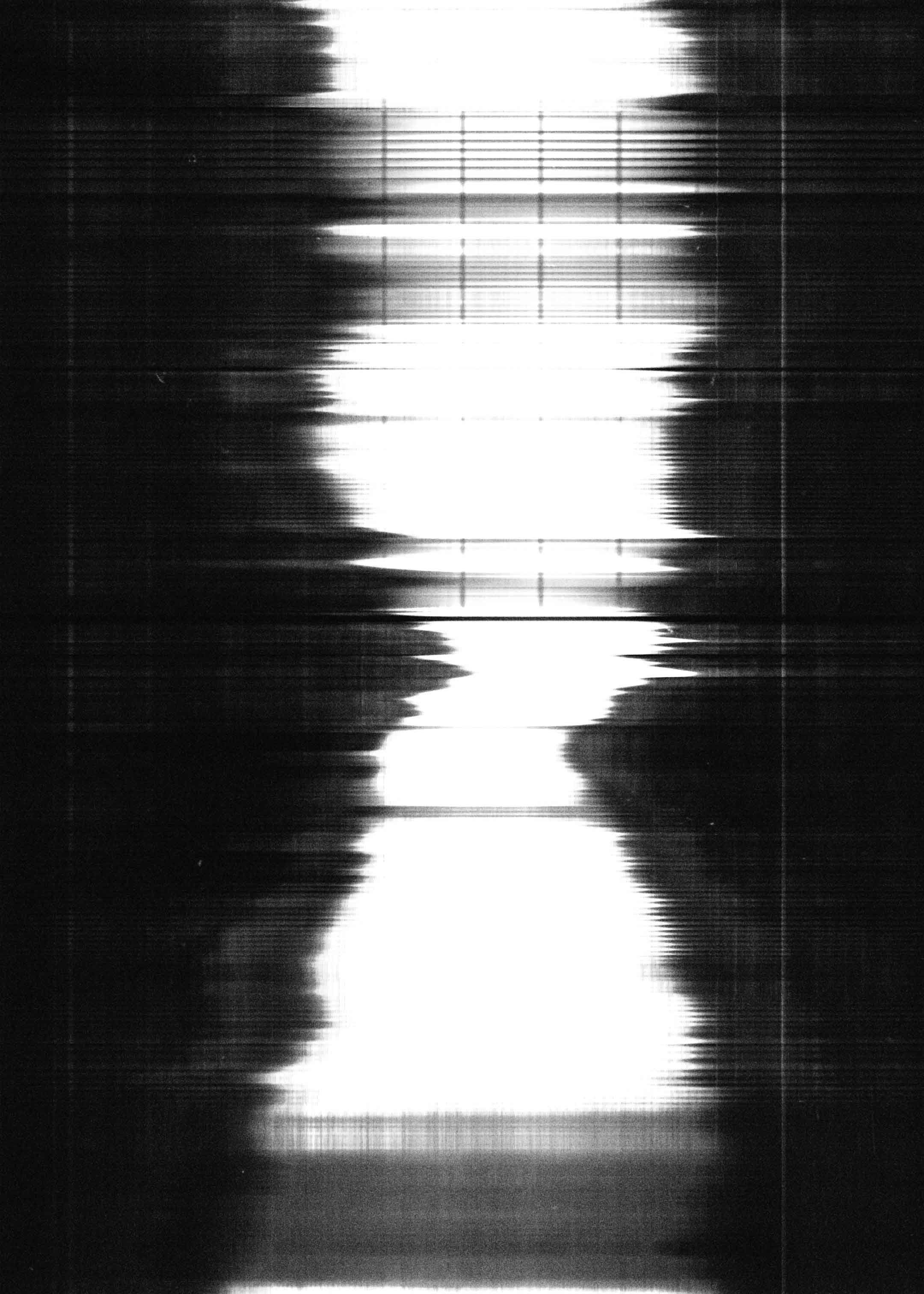
Cybernetics encourage us to consider the ways analogue and digital technologies have shaped contemporary life in a world where we change the machine, and the machine changes us.
When you read a book, or a manifesto, or look at the text and images in a zine, who or what do you think of first? The human hand or the Xerox printer’s transfer roller? The clatter and chug of a risograph or the chatter of a team of printmakers? The human or the machine?
Prelude A in Cybernetics offers a moment to consider the confluences between the language of the machine and the language of the human that make publishing possible. It thinks through cybernetics as the systems of positive and negative feedback loops and conversations that have evolved between animals, society and modern computational processes. Cybernetics encourage us to consider the ways analogue and digital technologies have shaped contemporary life in a world where we change the machine, and the machine changes us. To put it simply, cybernetics challenge the poetics of our ever-evolving relations. Technology has entered the conversation as a semi-autonomous voice, one that humans can respond to.
Within the broader artistic sphere, but more particularly in the field of publishing, this increasingly complex and expanding relationship between us, our social systems and technology has upended disciplines and called expertise into question. From the 1960s—and specifically with the opening of the Cybernetic Serendipity exhibition, curated by Jasia Reichardt at the ICA in London in 1968—cybernetics, systems theories and information theory have made the art object, artistic practice and authorship an interdisciplinary field. In the case of some of the interactive art displayed at the ICA exhibition in 1968, much critique developed that questioned the supposed cybernetic-ness of the cybernetic art. Was audience input merely symbolic or aesthetic? Were there actual works in the exhibition where communication between the artwork and the audience produced material or affected change—a response in the artwork itself which, in turn, affected the behaviour of the audience?
In response to these developments in cybernetics and art, this sonic offering explores the conversational nature of cybernetics. It abstracts and pulls sound from the periphery of mundane life into a present condition. If we continue to think of cybernetics as a set of relationships, we might benefit from listening in on the machinery and the humans that produce texts and images, publish and print, and those that offer us ways to disseminate knowledge in new and exciting ways. It points to change, systems of transmission, and acknowledges the knotty connections between the human and the machine. The sonic offers us a particularly fertile ground to consider the myriad of ways that publishing takes form as well as how the sensorial informs our considerations of the cybernetic. What does it feel like to work with, live with, be with the machine? What does print matter and publishing sound like in the age of the cybernetic?
Listen to the unintended consequences of technology. By Force is a sonic collage of various sounds from Radio Freedom, viral internet moments, the ocean, conversations and more. By Force explores the boundaries of artificialising the human and humanising the artificial.
Created by Evyn Bileri Banawoye
By Force
Foot Note
Comments